Take our AI Readiness Assessment Today. Start Now!
Menu
Menu
Muses are the inspiration of creation; our mission is to connect people to purpose through performance and catalyze inspiration, innovation, influence, and impact in the world one moment at a time. We strive to ensure all our digital experience platforms and programs, products and services illuminate the digital world with accessibility, authenticity, integrity and reliability.
We are a collaborative of thinkers, artists, technologists, engineers, and organizers that bring with us decades of experience and a multi- disciplined approach to maturing your business in the digital world. Our international team has been fully remote since its inception in 2015 with hubs in the US, Canada, and India.
USING AI TO MARKET AND GROW YOUR BUSINESS
Ready-to-go Adobe specialists, with steady delivery leadership built in.
Digital Experience Studio that creates
Micro-series, social, and TV-ready content that makes brands unforgettable.
Get found in search and AI so the right buyers choose you.
Build your own streaming platform and CTV network—on your terms.
Explore Expression Cloud Suite













We don’t just deliver services — we co-architect transformations that align to your boldest vision.
With executive precision and a worldwide bench, we scale purpose while delivering personalized service.
Muse was born AI-native — embedding intelligence into every touchpoint, process, and outcome.
We’re not here to bill hours. We’re here to deliver measurable impact, creative momentum, and lasting change.

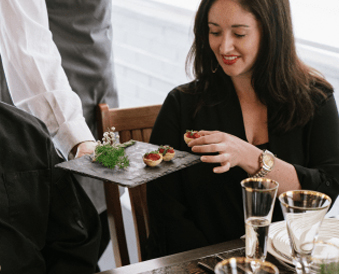
Four Seasons Catering, a renowned catering service provider, approached Muse Platforms seeking expert PPC management to enhance their online presence and drive more conversions
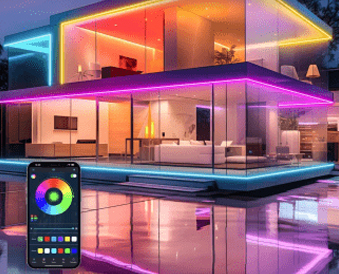
Transforming Urban Spaces
In recent years, urban areas have increasingly adopted permanent LED lighting solutions to enhance safety, reduce energy consumption
Contact us via email at info@museplatforms.com for any inquiries or support.
Our support team is available at +1 (415) 410-5329 for immediate assistance.
Come visit us at 116 W 23rd Street Floor 5 New York, NY 10011. We look forward to seeing you!
Leaders Digital Experience Platform (DXP) Solutions, specializing in eCommerce/Retail, High-Tech B2B, Media & Entertainment, and Health & Wellness sectors. Drive growth with innovative, data-driven strategies.
© 2024 Created with Muse Platforms